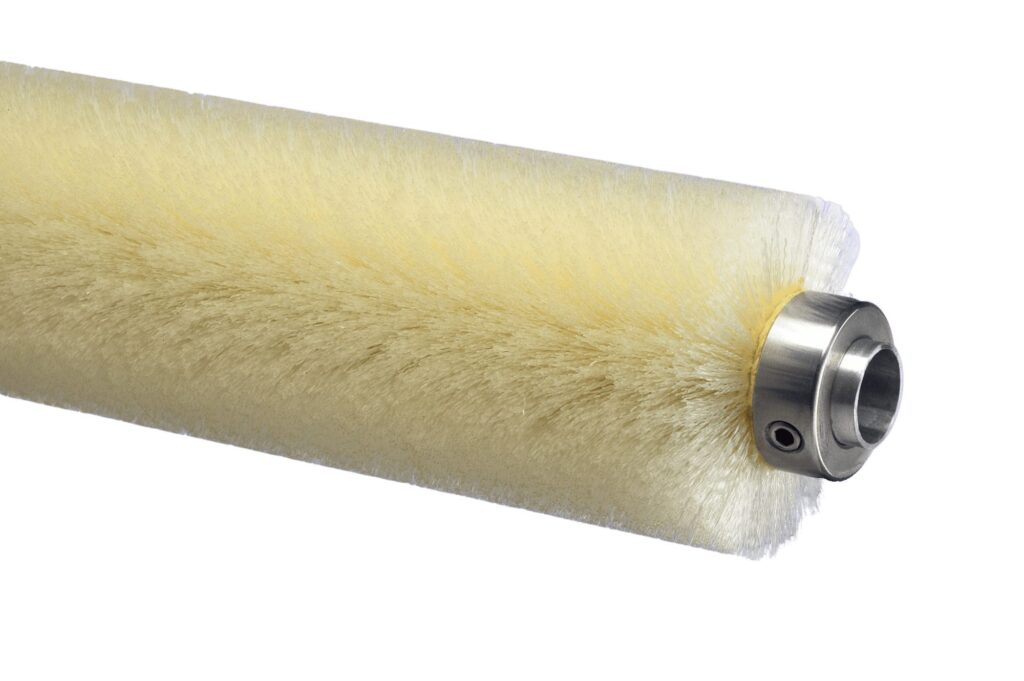
Our Panel Cleaning Brushes can clean almost any particulate from wood parts in any shape or size.
As a general rule there is a positive relationship between the particle size being removed from a part and the diameter of the filaments used in the brush. Larger particulate, such as wood chips from drilling operations, are best cleaned with stiffer brushes. Finer particulate, like dust from sealer sanding, are best removed with softer brushes. Understanding the correct combination of filament type and bristle pattern in relation to the shape of your part and what is being removed is critical. The Industrial Brush Company has spent over 35 years working with industry-leading customers to provide cleaning solutions for almost any part.
Before & After
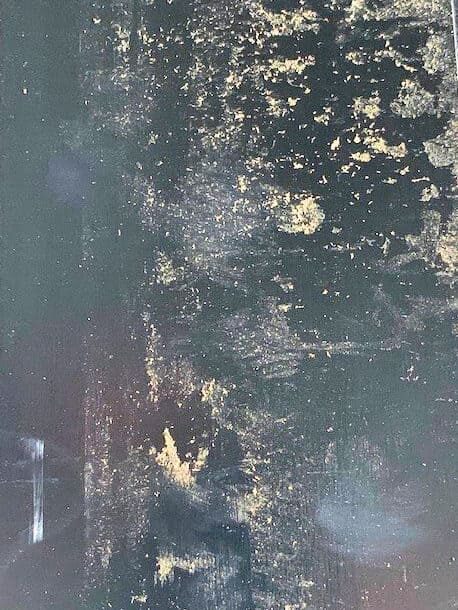
Shown below are samples of some of the cleaning operations that our brushes have performed for customers. Examples range from the finest chalky-dust from sealer sanding, to the most stubborn caked-on mud. Our lab testing has provided valuable data to be able to give insight into the ideal operating parameters. Proper brush RPM, feed rate, and contact depth are just as critical to your success as using one of our tailor-made brushes.
Before
After
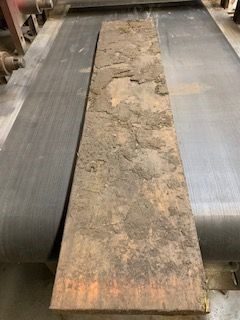
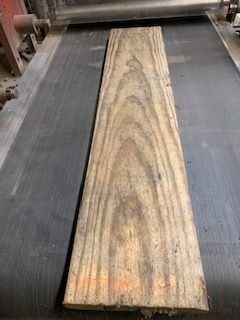
Mud Coated Lumber
Cleaning heavy caked on contaminate like mud requires a stiff nylon brush in an open spiral pattern. The nylon will not structure the wood and the spiral keeps the brush from loading up.
Before
After
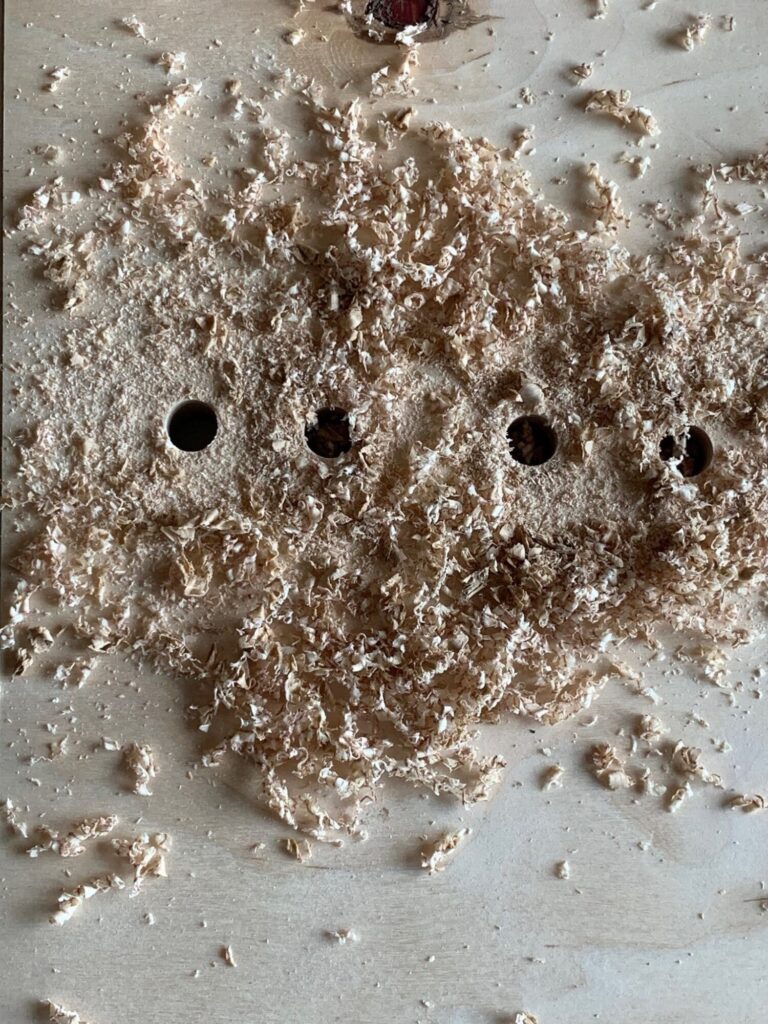
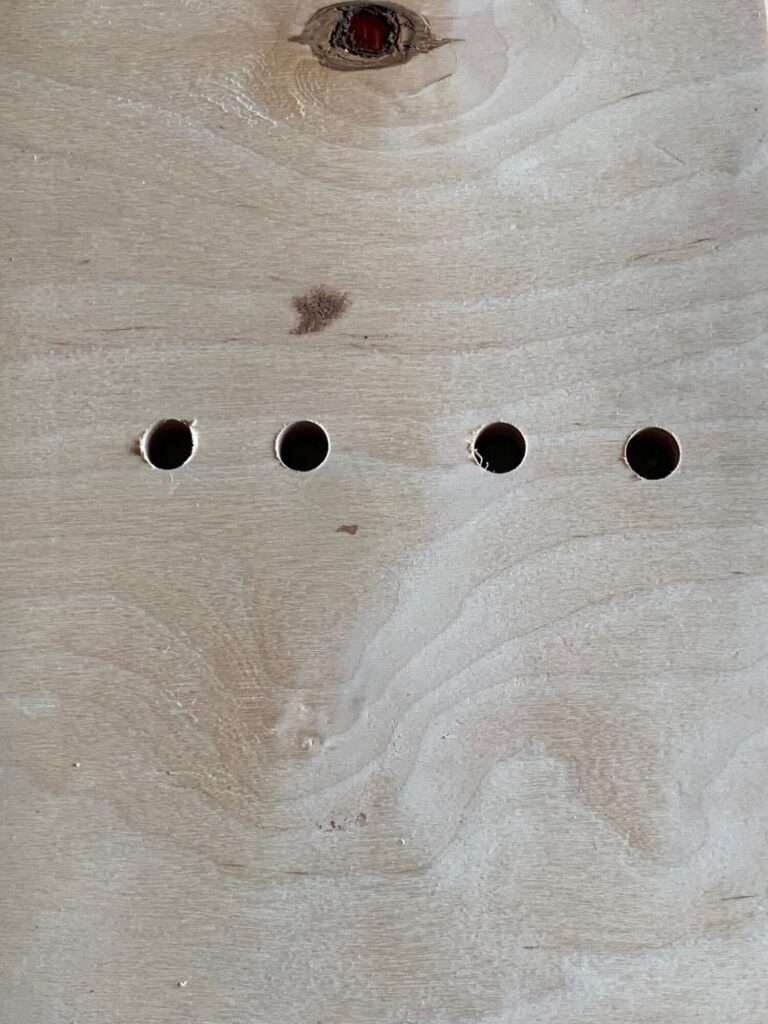
Wood Chips from Machining
Cleaning wood chips and sawdust from machining operations requires a stiff brush in an open spiral pattern. Antistatic nylon will keep the brush from charging the part.
Before
After
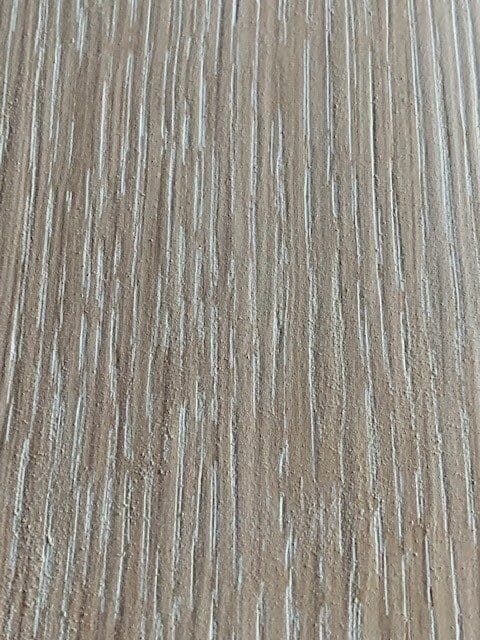
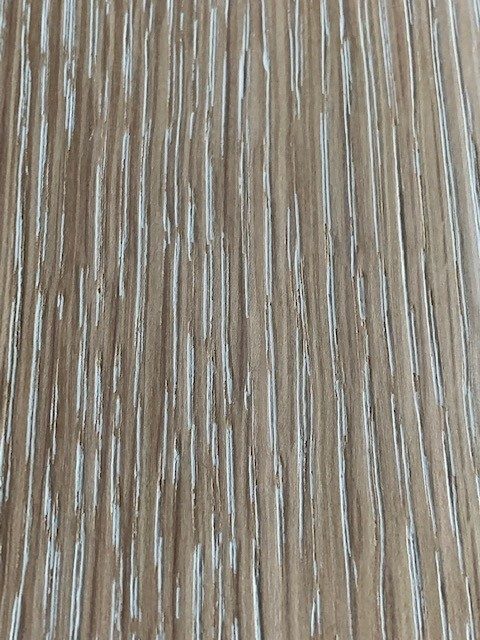
Veneered Formica
Cleaning medium size particles from veneered plastics requires a soft nylon brush in a medium open or spiral pattern. Antistatic filaments won’t scratch the surface or create static on the part.
Before
After
Fine Chalky Sealer Dust
Cleaning fine chalky dust from sealer sanding requires a fine antistatic nylon or boars hair brush with split end fibers that act like a feather duster.
Cleaning Brushes that Work Better and Last Longer
Filament Choices
Brushes can be made in various bristle trim lengths using Anti-Static Nylon, Boars Hair, or Tampico. Specialty nylons are also available if needed.
Brush Patterns
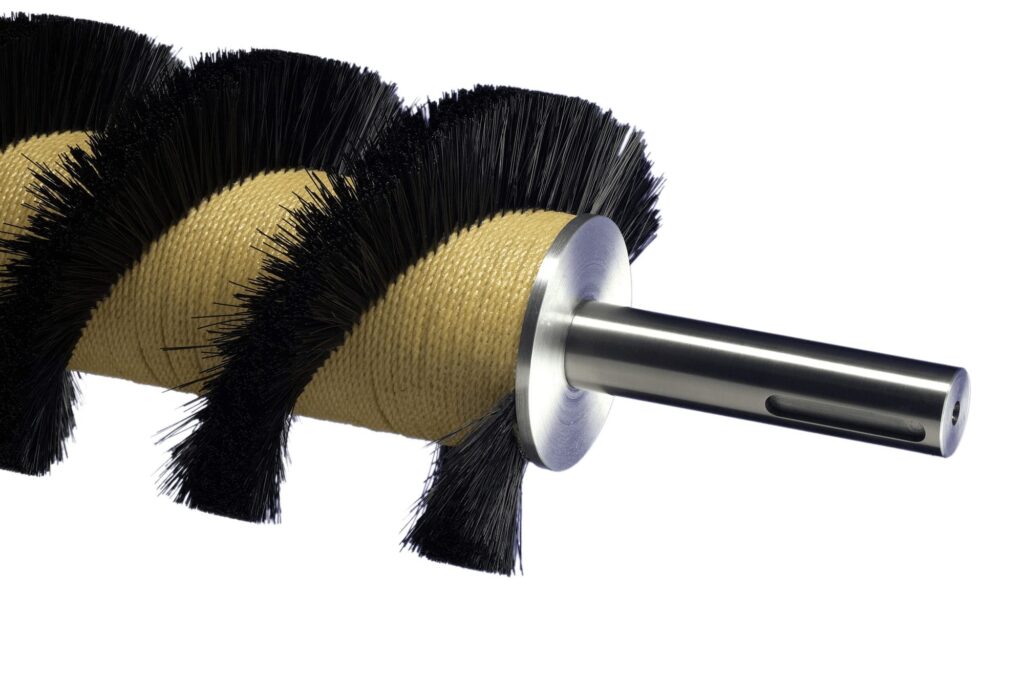
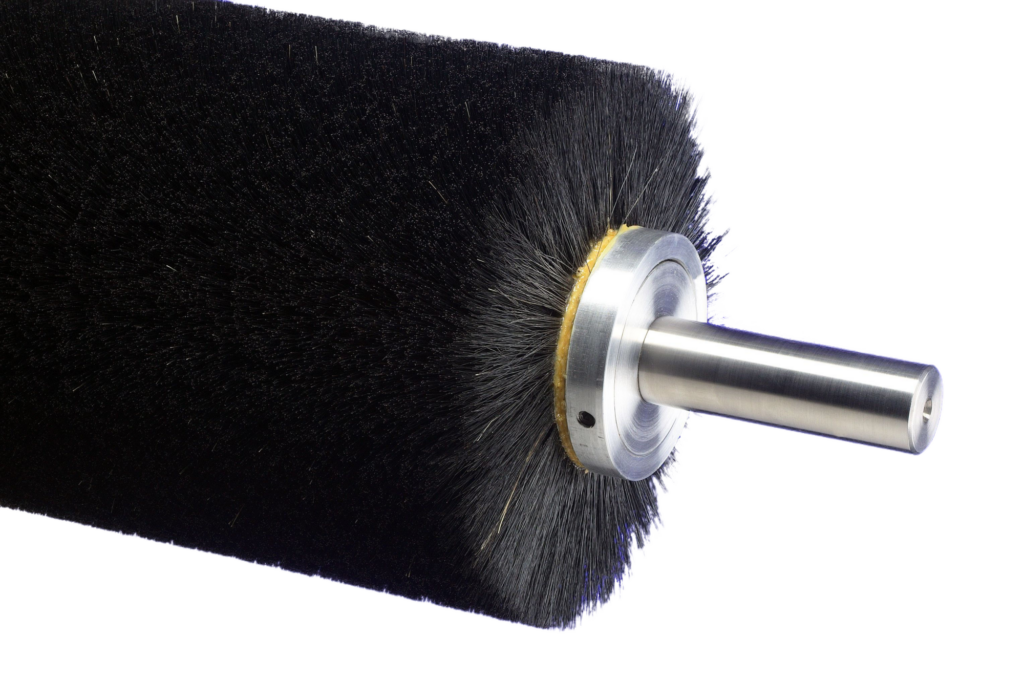
Brushes can be made with uniform fill in different densities or as open spirals with the ability to modify the spiral pitch and number of rows of bristle in the spiral.
Core Designs
Brushes can be made as disposable sleeves with quick change adapters or as complete cores for a more robust design that can be refilled.
The most effective panel cleaning brushes for wood finishing are made with our Fineset™ brush technology. Our unique winding allows the bristles to flex as individual filaments. This enhances the cleaning action even in detailed profiles and prevents the brush from loading up with contaminant.
Anti-Static Nylon Fineset Medium-Dense Fill
Used to clean medium to heavy contaminants from flat parts.
Anti-Static Nylon Fineset Two-Row Spiral
Used to clean light to medium-heavy contaminants from irregular and contoured parts.
Boars Hair Fineset Dense Fill
Used to clean fine or chalky dust off of flat parts.
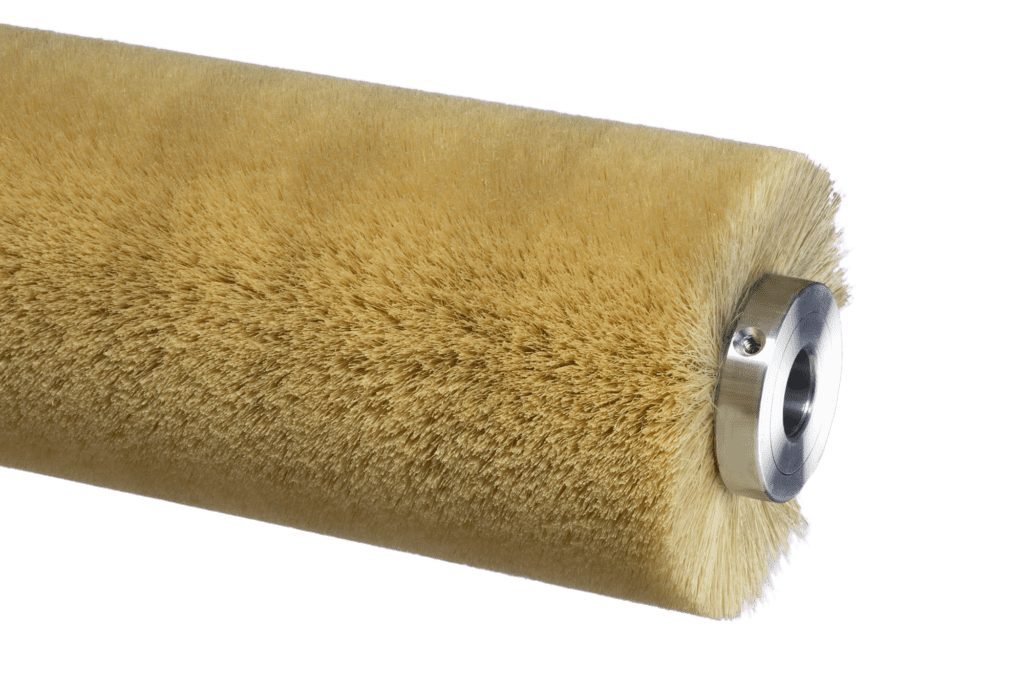
Tampico Fineset Dense Fill
Used to clean flat parts where a mild abrasive is required to remove embedded particles.
Standard Bristle Options
.006"
.010"
.013"
.016"
.020"
.026"
Anti-Static Nylon
Nylon (Standard)
Tampico
Closest in stiffness to .012" nylon but has more variation due to it being a natural fiber.
Boars Hair
The finest bristle we offer as standard, the ends split, providing a feather-dusting-like effect.
Specialty Filament
Available on request if the application requires it.
Substrate Interaction and Part Geometry Considerations
Different substrates require different cleaning strategies. Veneered surfaces demand soft filaments that avoid scratching. Solid wood components may require stiffer filaments to remove embedded debris. Contoured or profiled parts benefit from flexible constructions that reach into recesses without altering the surface. Understanding how the substrate behaves under load helps operators select brushes that maintain uniform cleaning across diverse product lines.
Design Variables That Influence Cleaning Performance
Panel cleaning behavior is shaped by several controllable design elements:
Filament stiffness determines how effectively the brush removes large or embedded contaminants.
Brush density influences how the brush conforms to the surface and how uniformly it lifts particulate.
Trim length affects flexibility and the ability to reach into recesses or detailed profiles.
Pattern configuration—uniform fill or spiral—shapes how the brush manages debris and resists loading.
These variables allow finishing teams to tune the cleaning process for consistent results.
Contaminant Behavior and Long-Run Cleaning Stability
Different contaminants behave differently under mechanical brushing. Chips and coarse debris require aggressive engagement, while fine dust demands soft filaments that flex without generating static. Anti-static materials help prevent dust from re-settling on the part. Predictable wear behavior and stable filament flexibility support consistent cleaning performance across long production cycles, reducing rework and improving finish quality.
FAQ
How Do Filament Types Influence Panel Cleaning Performance?
Filament composition affects stiffness, flexibility, and how the brush interacts with different contaminants and substrates.
Why Does Brush Density Affect Cleaning Results?
Density influences how the brush conforms to the surface and how uniformly it lifts particulate across flat or contoured parts.
What Factors Improve Consistency on Cleaning Lines?
Correct brush alignment, stable machine settings, and predictable filament behavior help maintain uniform cleaning performance.
How Does Trim Length Influence Surface Interaction?
Trim length affects flexibility and the ability to reach into recesses or detailed profiles without altering the surface.
Need Additional Information?
Complete the form below and our brush experts will advise your company on the best brush for your application!